The river ran alongside the trail for some distance, curving through light, open woodland. I was following the path on one of my weekend hikes during an internship at a wood-processing company in Saxony. After walking through the picturesque floodplain forests for a while, I took a break at a rapid of the river. As I listened to the chirping of birds and the rushing of the water, I noticed some objects next to me on the riverbank, which I initially thought to be stones.
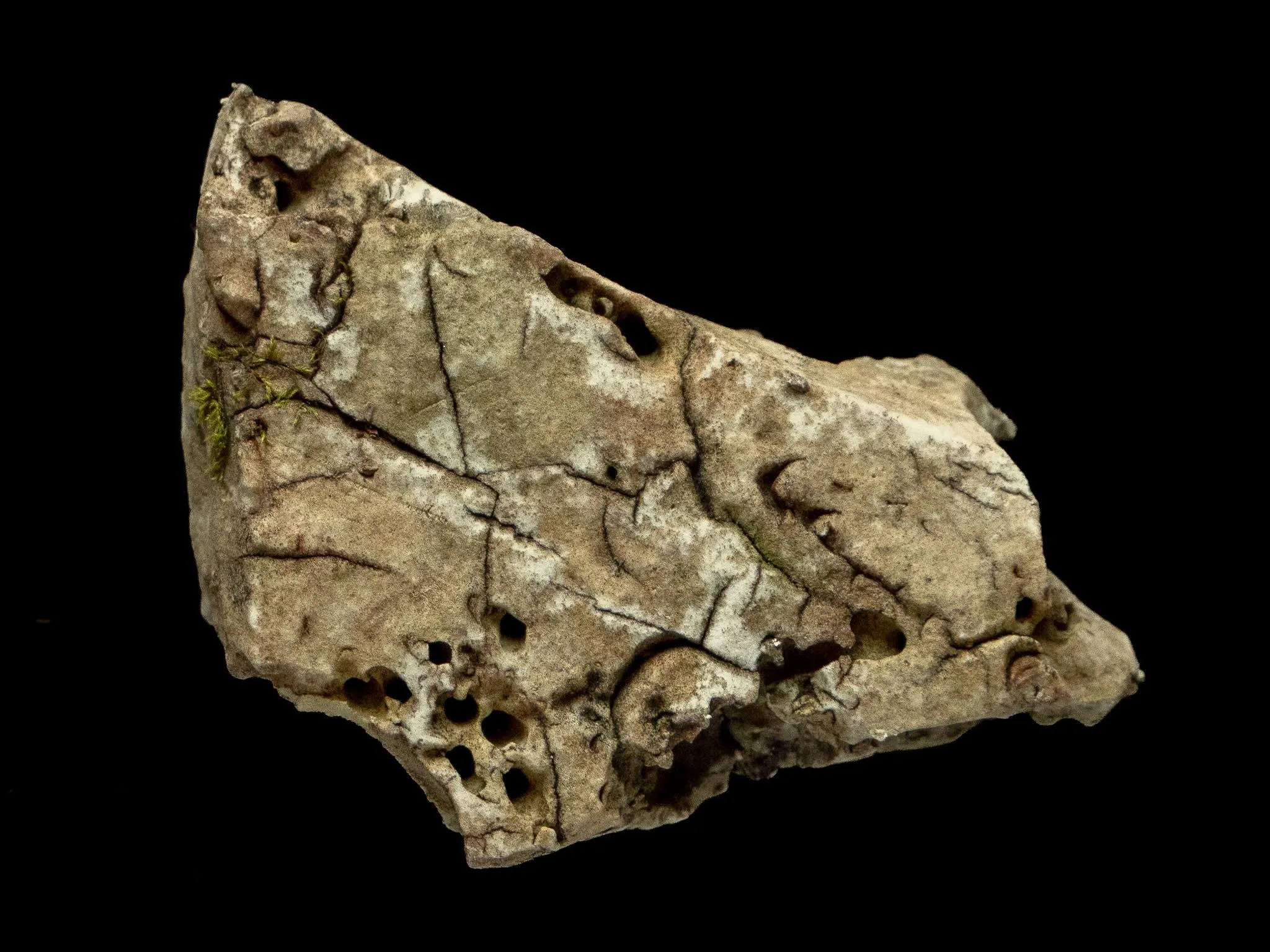
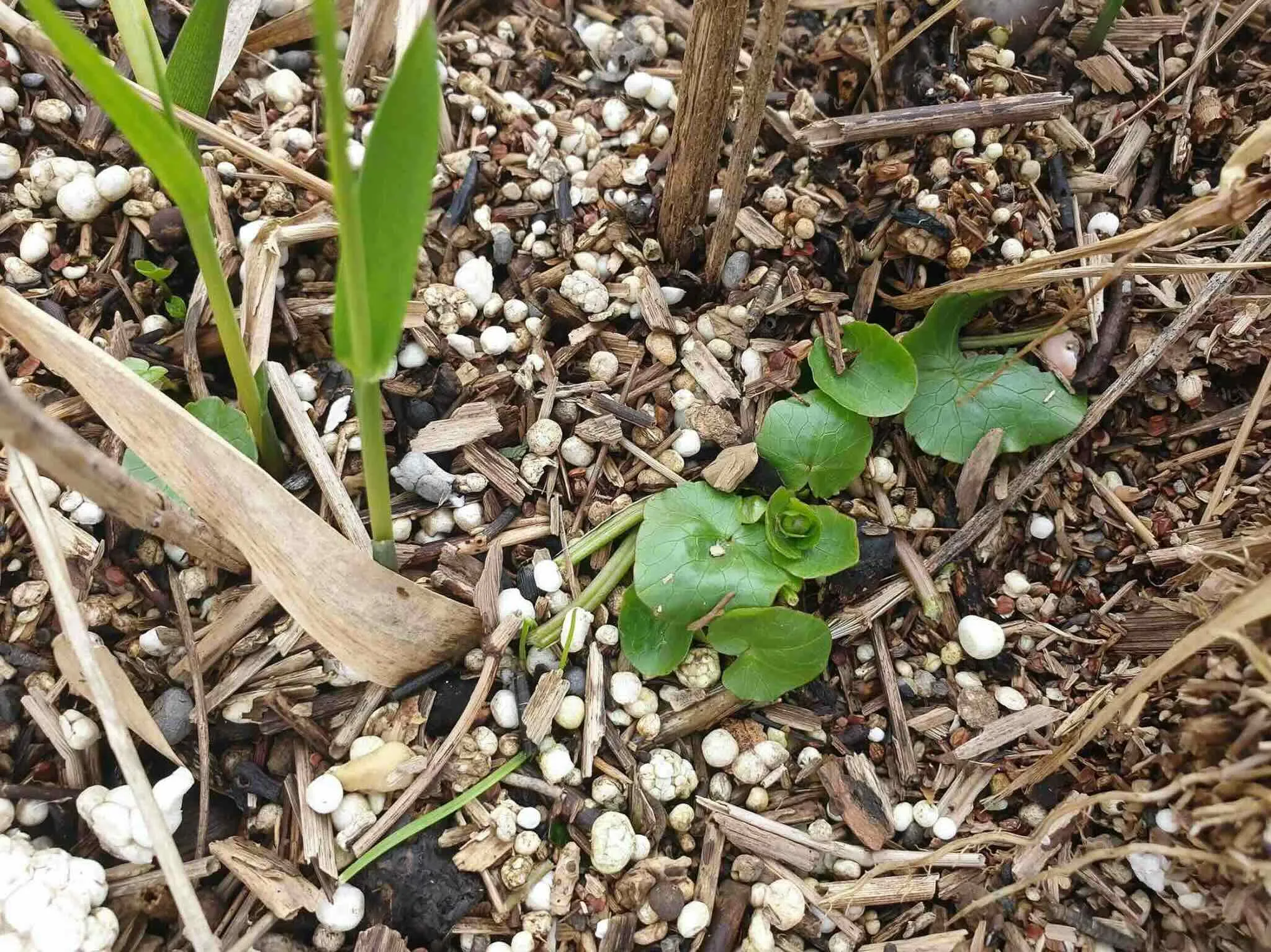
On a closer look, I realised that among the grasses and driftwood were variously sized pieces of Styrofoam. Most of them consisted of the small familiar white beads, but they had lost their smooth surfaces and right angles. Like pebbles, they had round, organic forms, partly covered with moss and discoloured brown. I quickly discovered more and more of the objects, made of different types of foam. The number of pieces seemed to increase in the area behind the rapids. The ground consisted largely of countless small white beads mixed with driftwood. They formed a covering layer on the floor through which reeds and other plants grew.
I felt an unexpected tension of conflicting emotions. On the one hand, my discovery was unsettling and frightening; it left me with a sense of dread. On the other hand, it sparked fascination, curiosity and a kind of enthusiasm that drove me to explore and document this phenomenon on the spot. I spent the next hour taking photographs, filming and collecting individual pieces, which I carefully stowed away in a small bag.
As I walked past the same spot for the third or fourth time, I noticed that the birdsong I had initially heard upon arriving at the rapids was coming from the area directly in front of me. I was startled, concerned that I might disturb a bird’s nest. As I listened more closely, I saw the actual source of the sounds: a large white piece of expanded polystyrene, about 15 centimeters wide, was floating on the surface of the water. It got caught in several wooden branches, which prevented it from drifting downstream. The gentle, rhythmic waves of the river caused the piece to rub against the branches, creating loud squeaking noises.
This encounter gave me a new perspective on synthetic plastics, one that has stayed with me ever since. The river Lausitzer Neiße is not an isolated case; these fragments of plastic can be found in different rivers I have visited since then that have natural banks or floodplains. I started to document them and every object I have found is archived online at https://foundsomething.org.
Found Something is an archive of polystyrene fragments shaped by natural processes, found along riverbanks and beaches. Through photographic and geolocation-based documentation, the project preserves these objects as traces of human impact and material memory. It reveals their unintended aesthetics and invites reflection on pollution, materiality, and the synthetic legacy embedded in natural systems.