Block to Blob
1.1
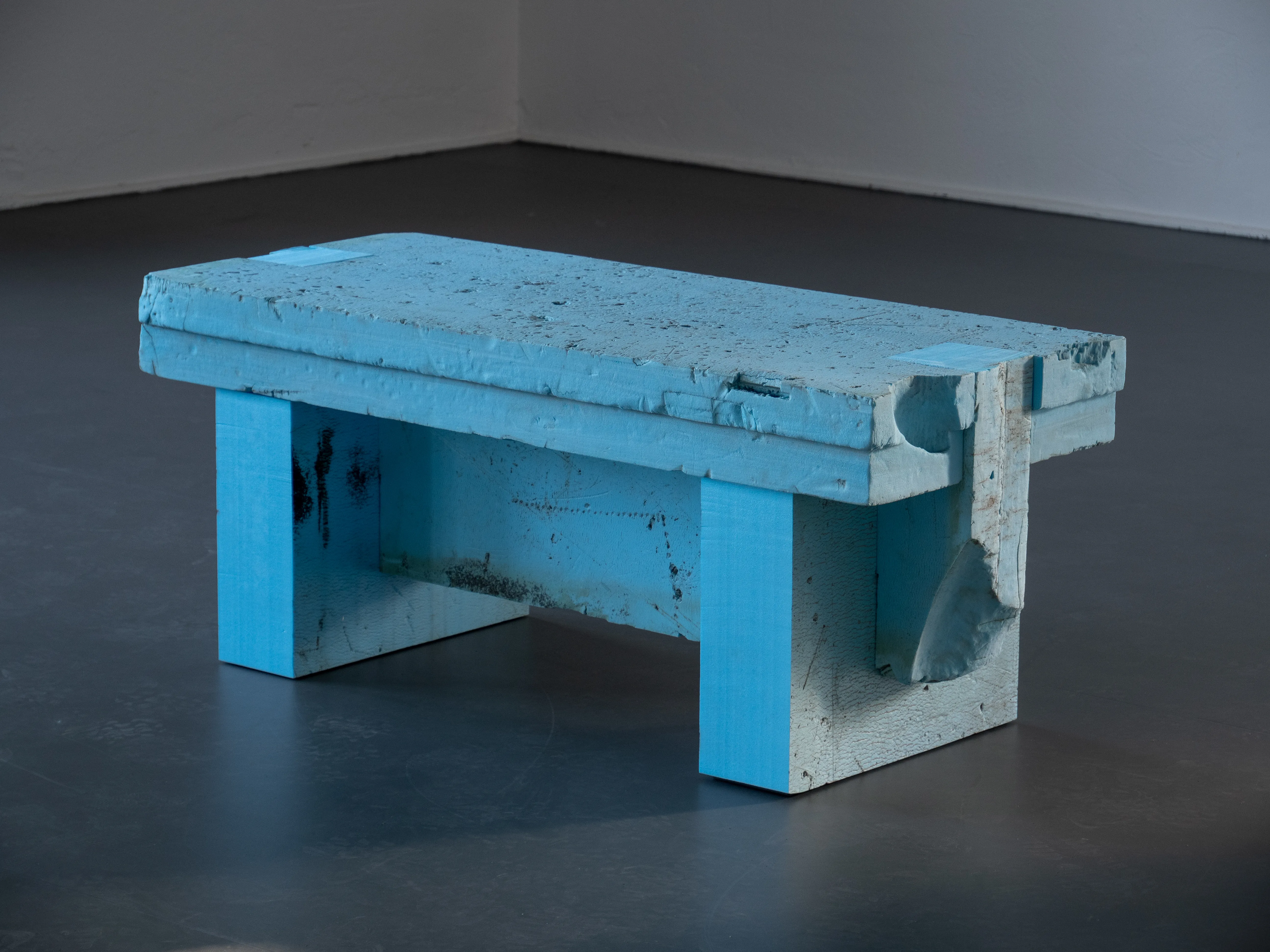
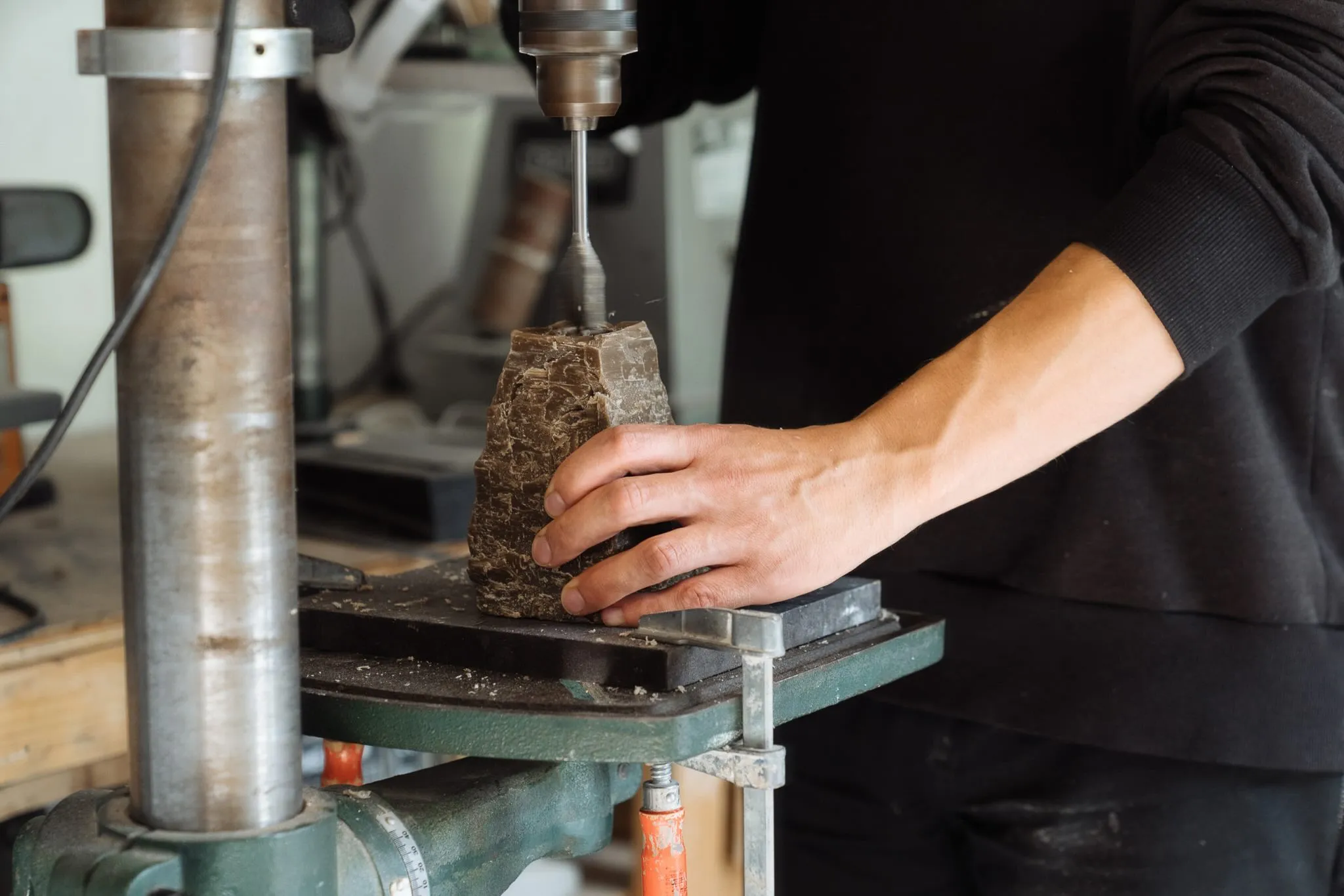
Block to Blob traces plastic through the systems that bring it into being, back to the natural substance it is made from.
Lukas Klein is a designer and artist currently based in Cologne, Germany. His practice explores the intersection of material culture and environmental narratives, focusing on everyday materials, their contexts, systems of production, and ecological stories.
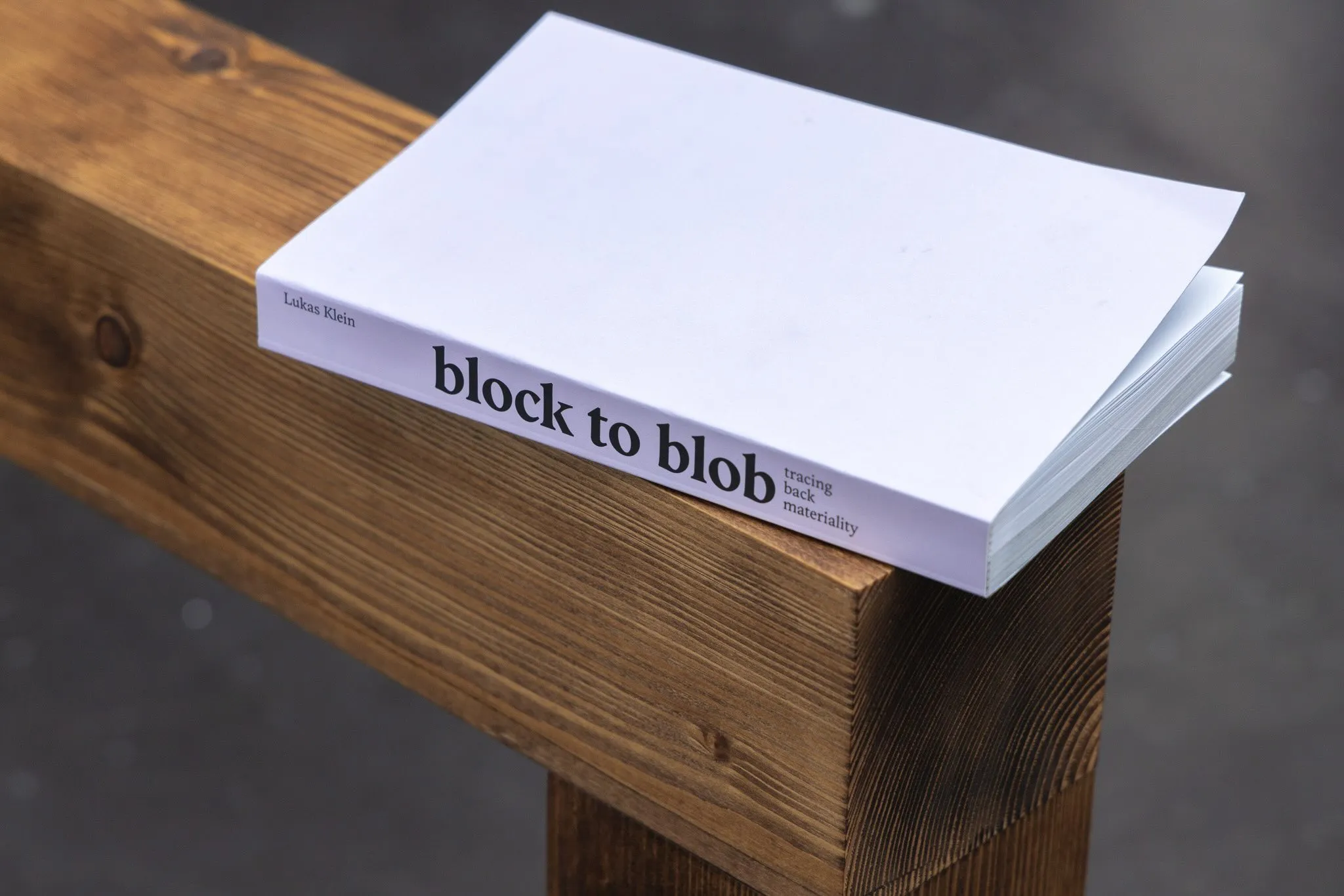
For decades, designers have worked to increase the value of discarded plastic through reuse and recycling projects. Despite these efforts, or perhaps because of them, plastic production is set to increase, doubling or tripling over the next few decades, making such projects increasingly hopeless. The following projects deal with different approaches to synthetic plastics.
Block to Blob traces plastic through the systems that bring it into being, back to the natural substance it is made from.
Rather than viewing plastics merely as passive substances, Broken Polymer explores their manufactured stoffliche Eigenaktivität—the capacity of materials to exhibit their own agency and behavior.
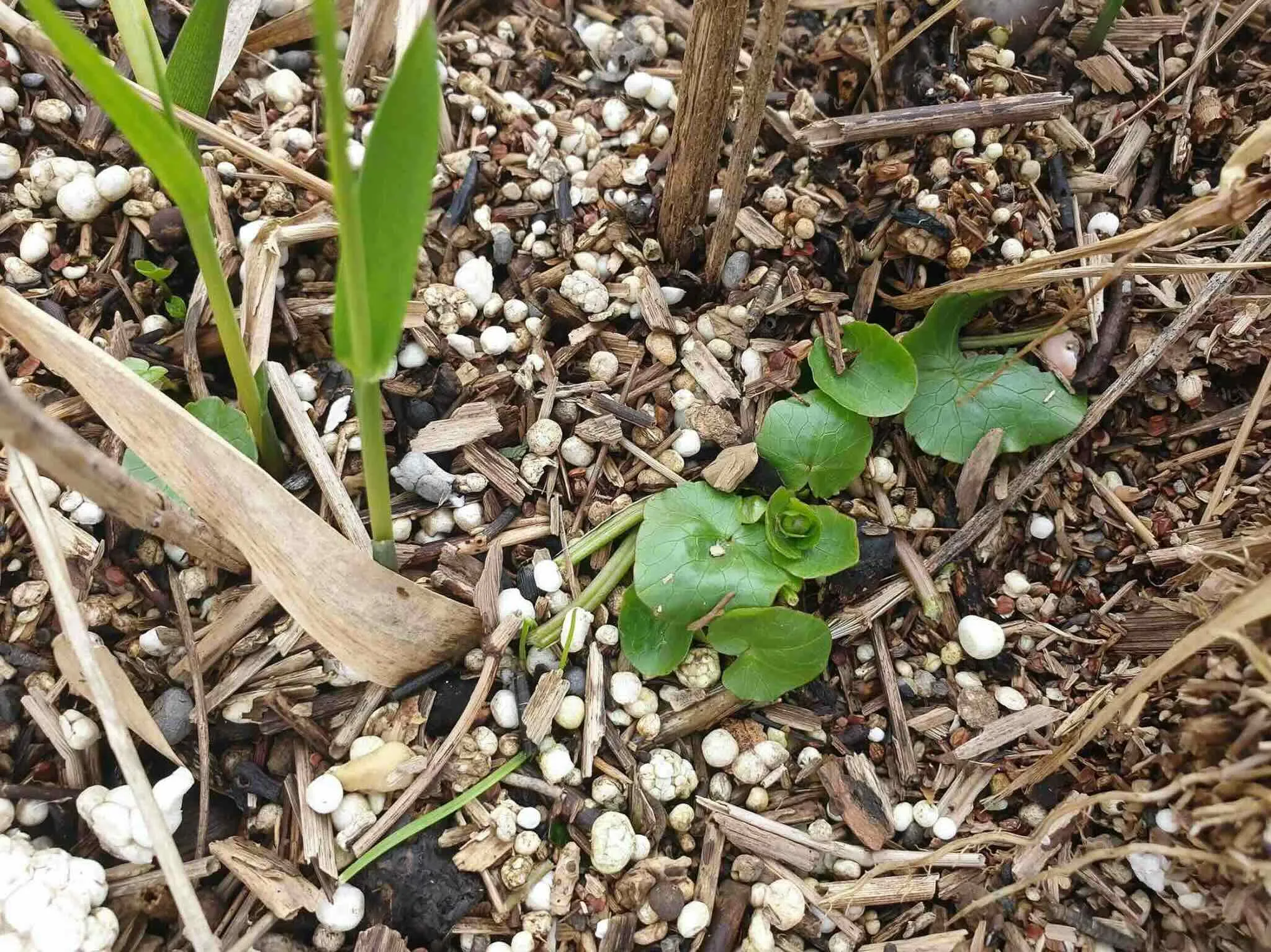
Archive of polystyrene and other plastic fragments shaped by natural processes, found along riverbanks and beaches.
Collaborative work on the connection of dinosaurs and petroleum.
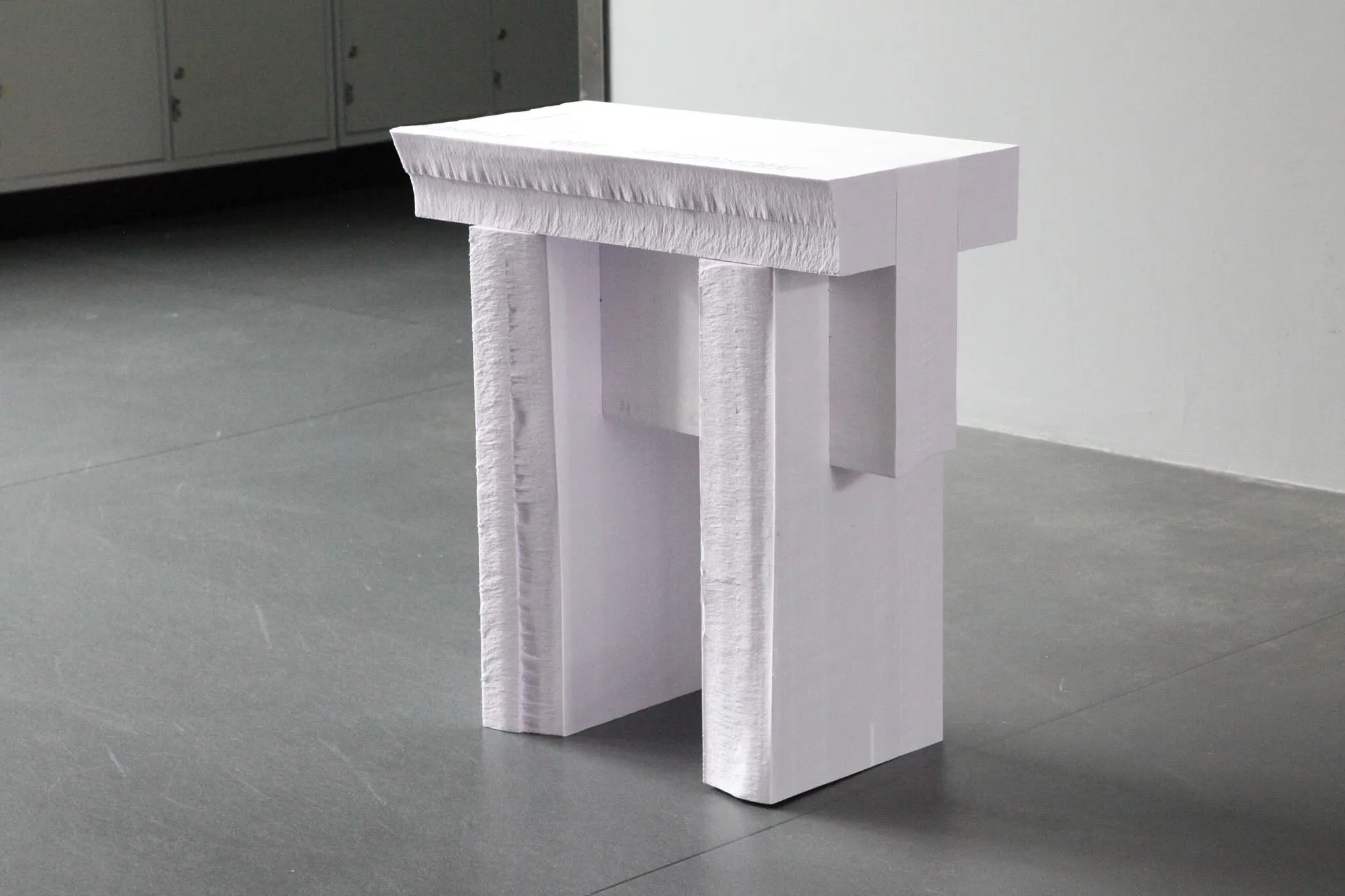
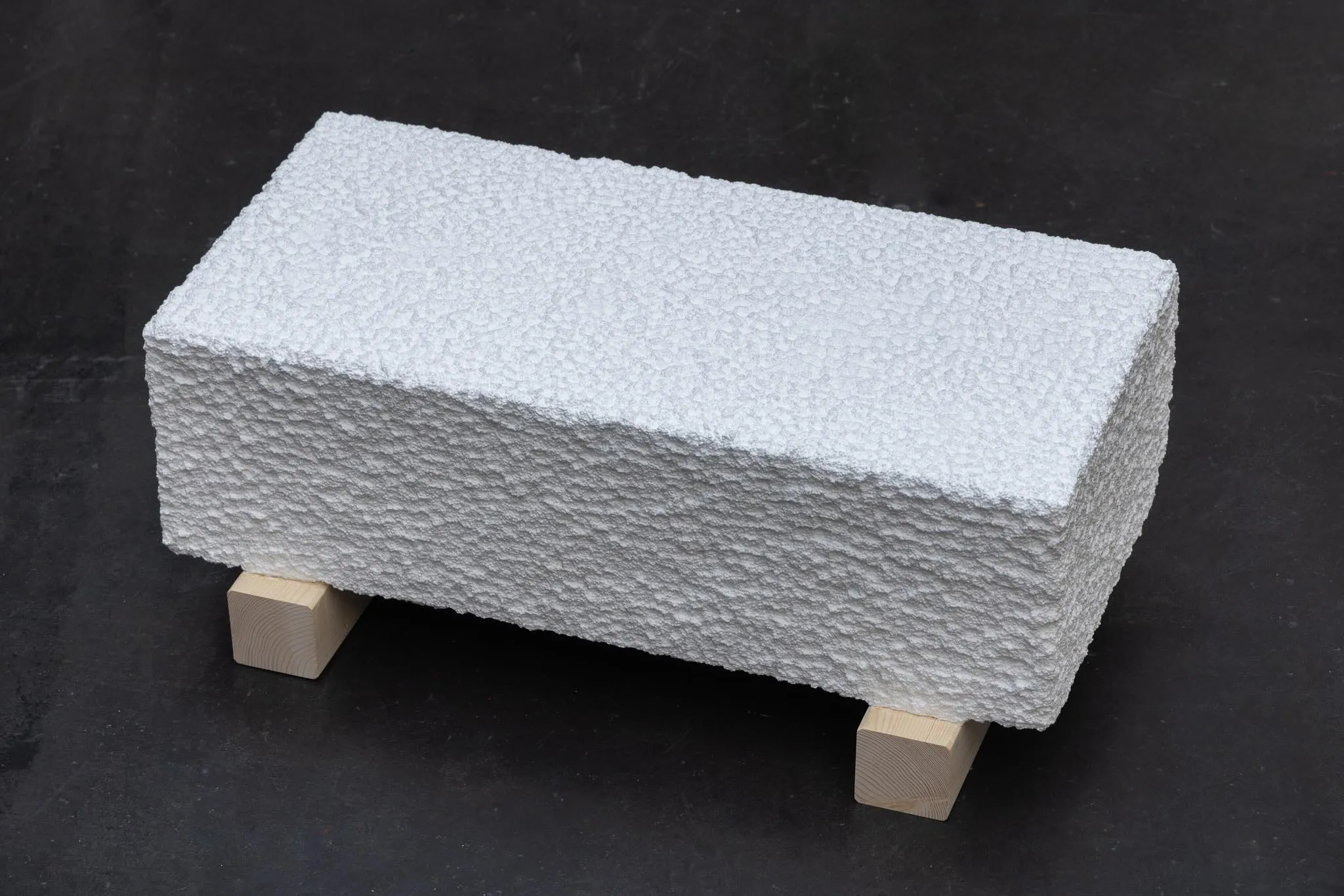
Rather than treating expanded polystyrene as a stable, inert material, Eroded Polymers asks how the material behaves through processes of erosion, decay, and fragmentation as it breaks down, sheds particles, and visibly loses its form.
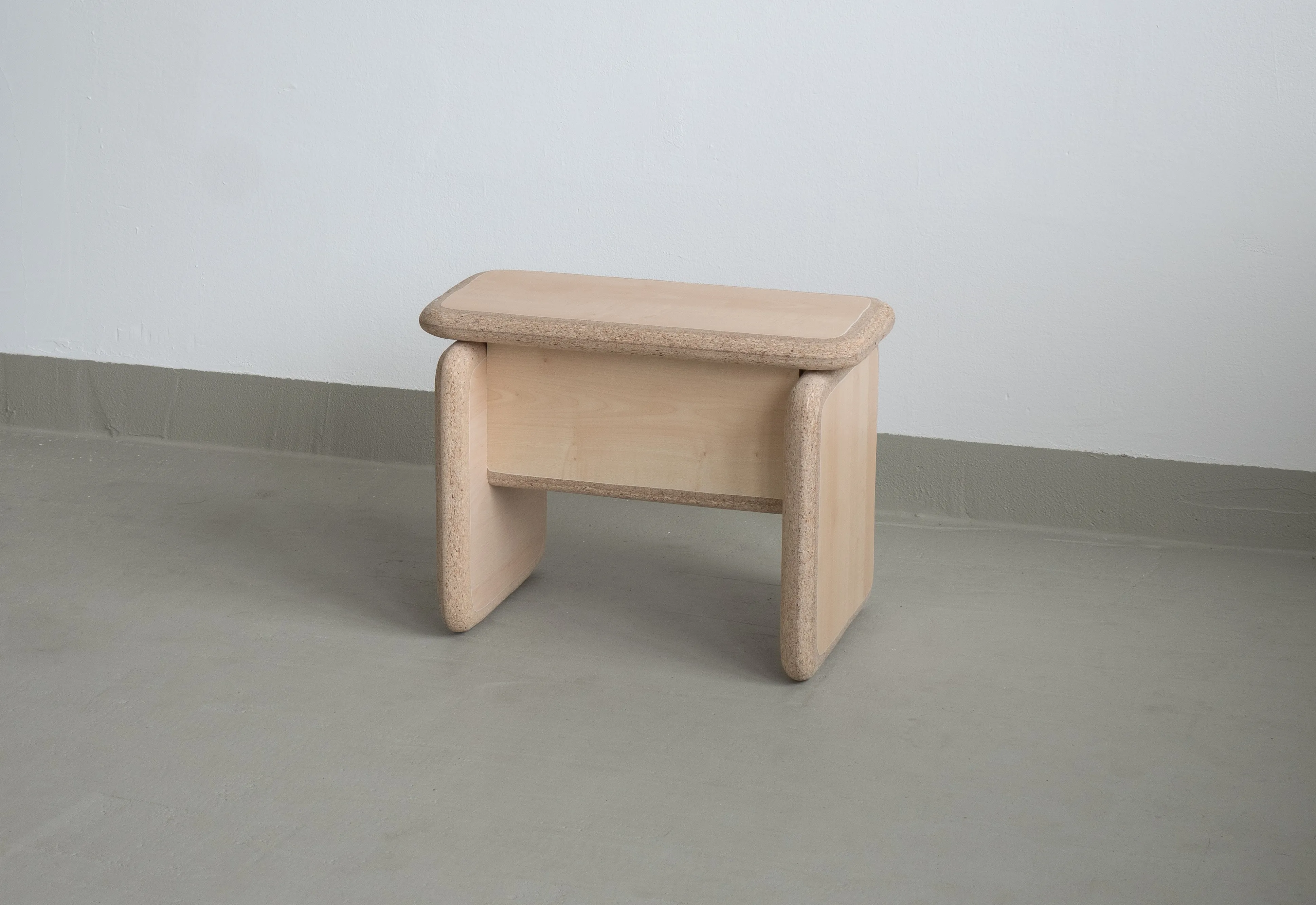
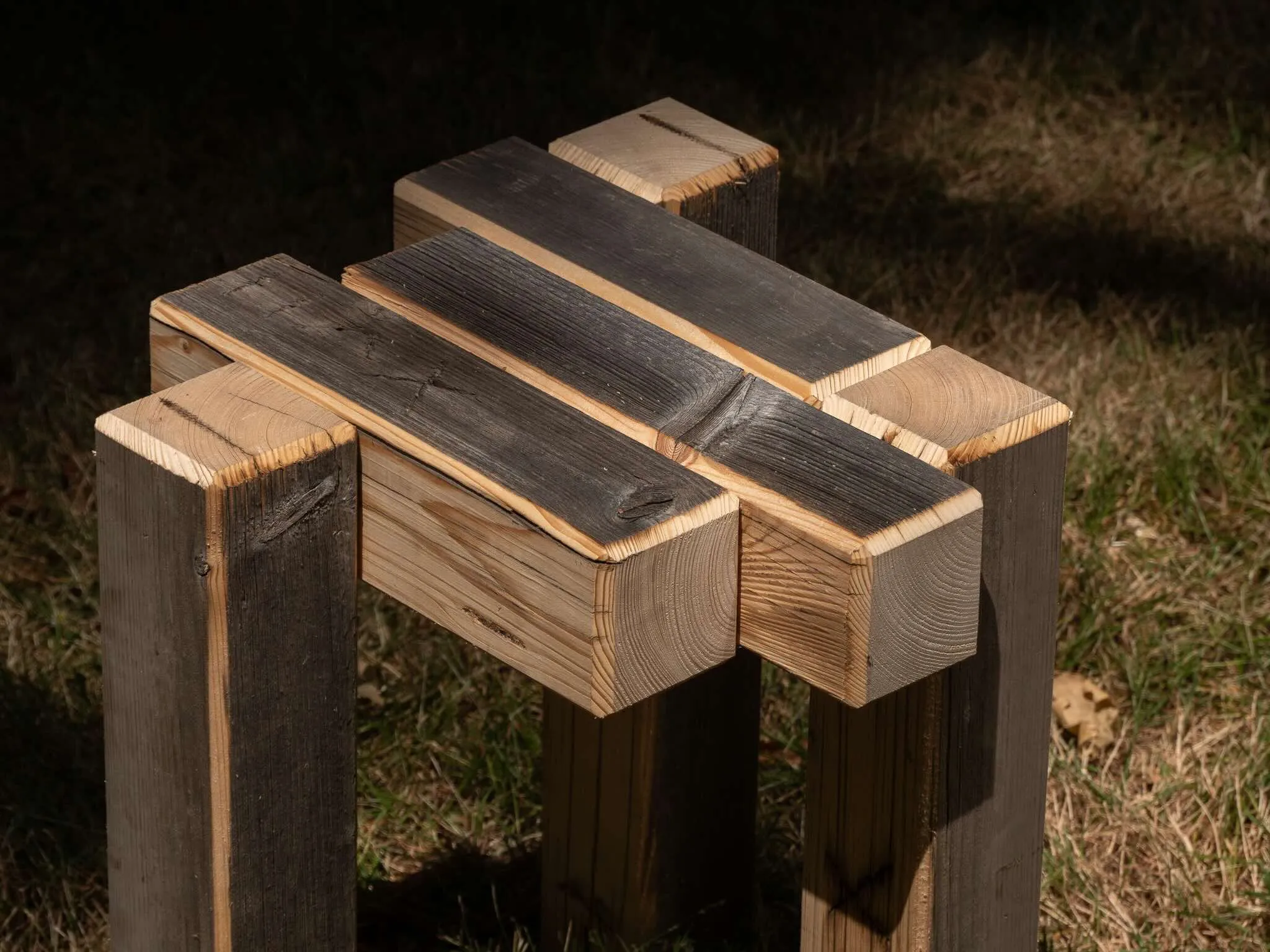
Wood has long been used to communicate ideas of authenticity, endurance, and connection to nature. In everyday life, its surfaces invite trust and familiarity, carrying emotional weight that few other materials achieve. Yet much of what we recognize as wood today is mediated—patterns reproduced, synthetic veneers applied, grains imitated. The following projects take this ambiguity as a starting point, exploring how the appearance of wood shapes our perceptions of nature and design.
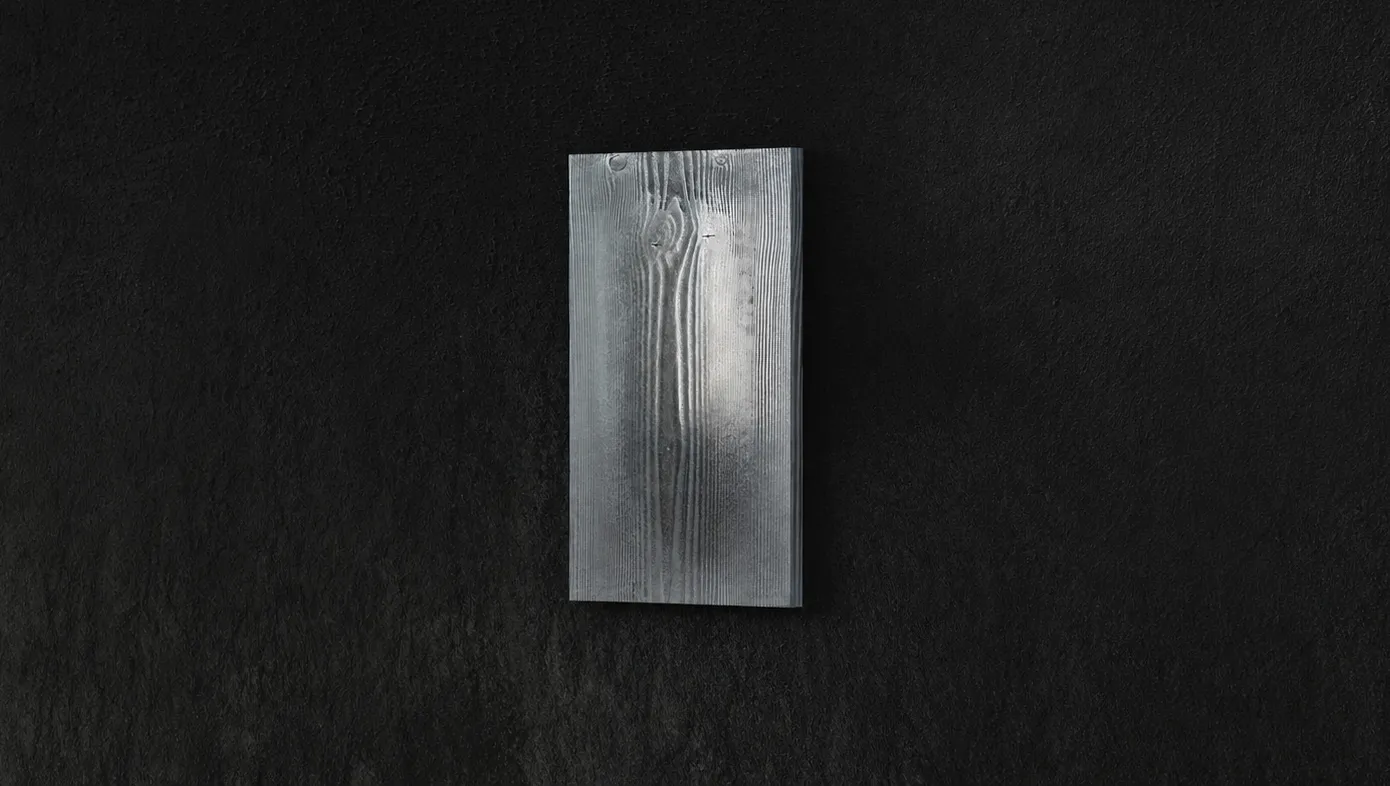
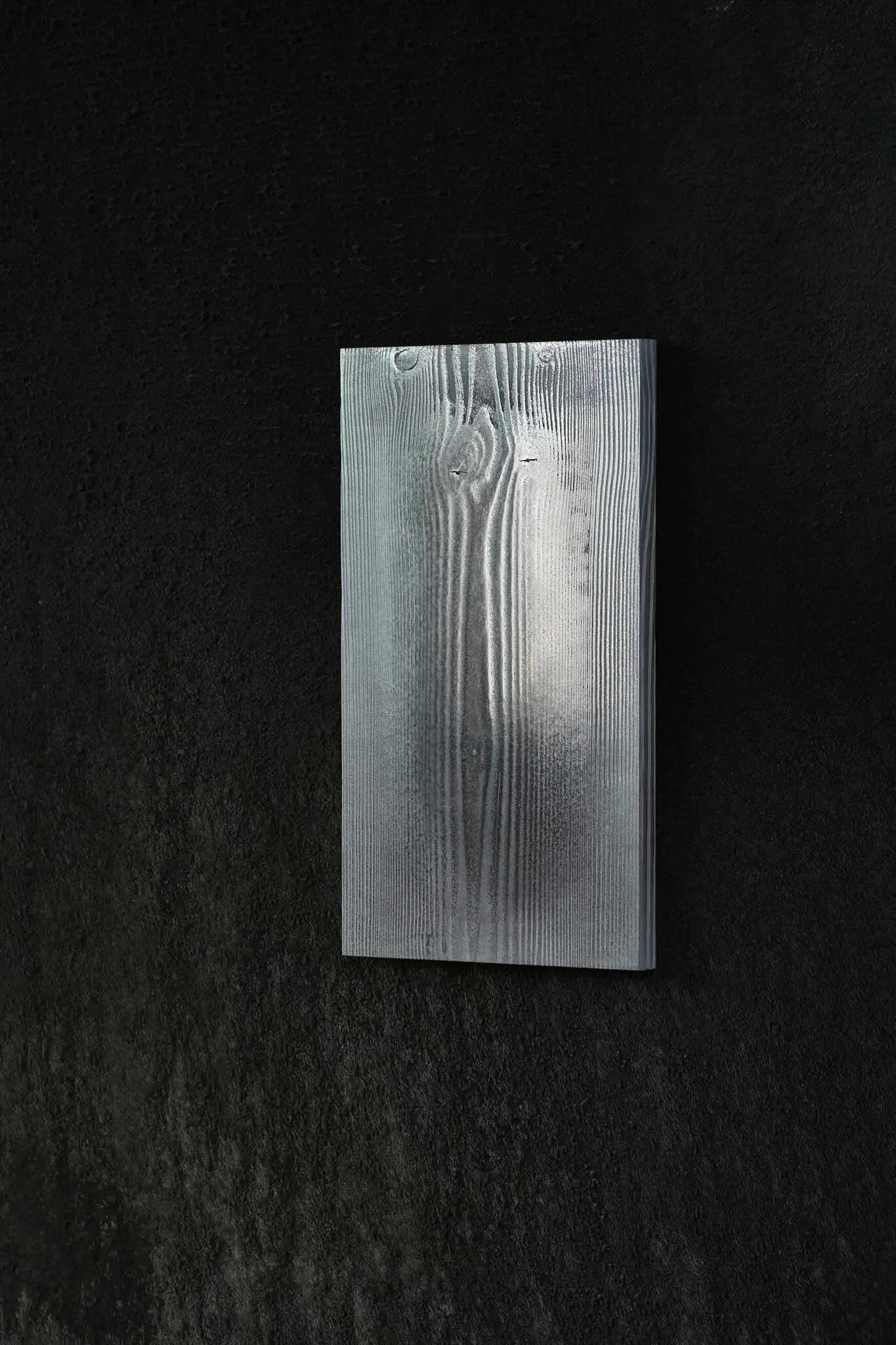
A series of objects that hover between the materiality of wood and metal.
„Ein roter Riegel – 70 Meter lang, 7,5 Meter hoch und 4 Meter breit – steht quer zur Mittelachse des Karlsruher Stadtfächers.“
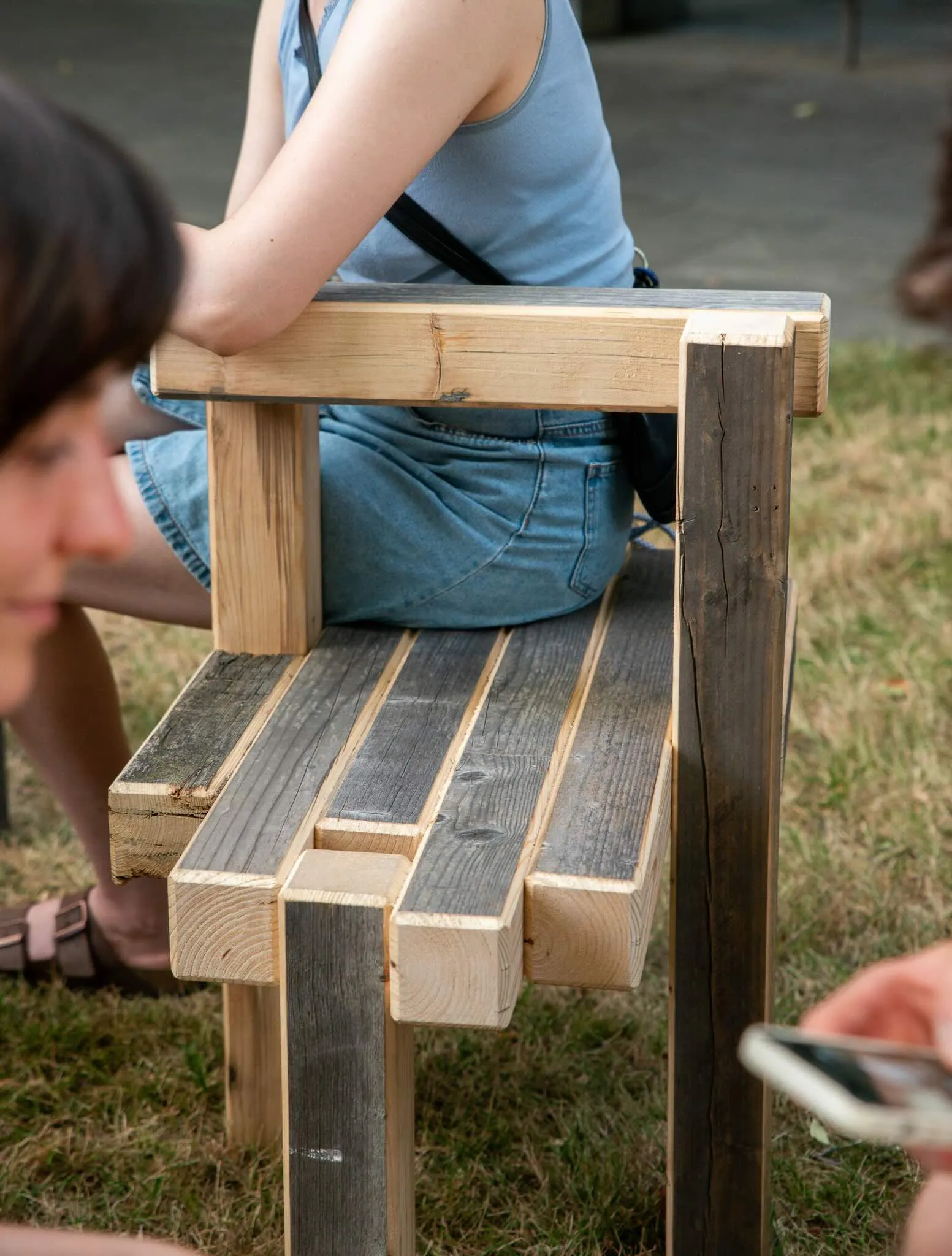
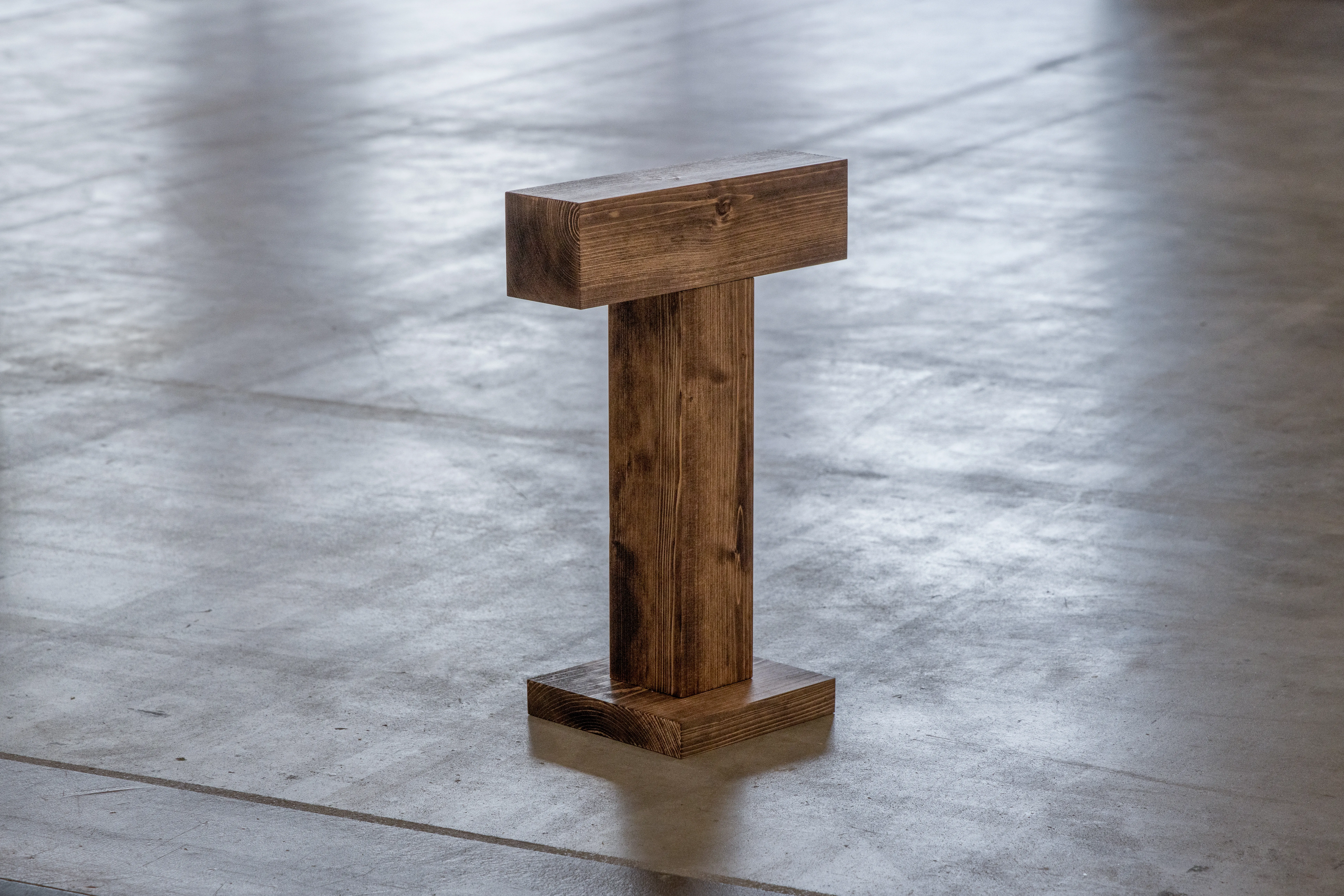
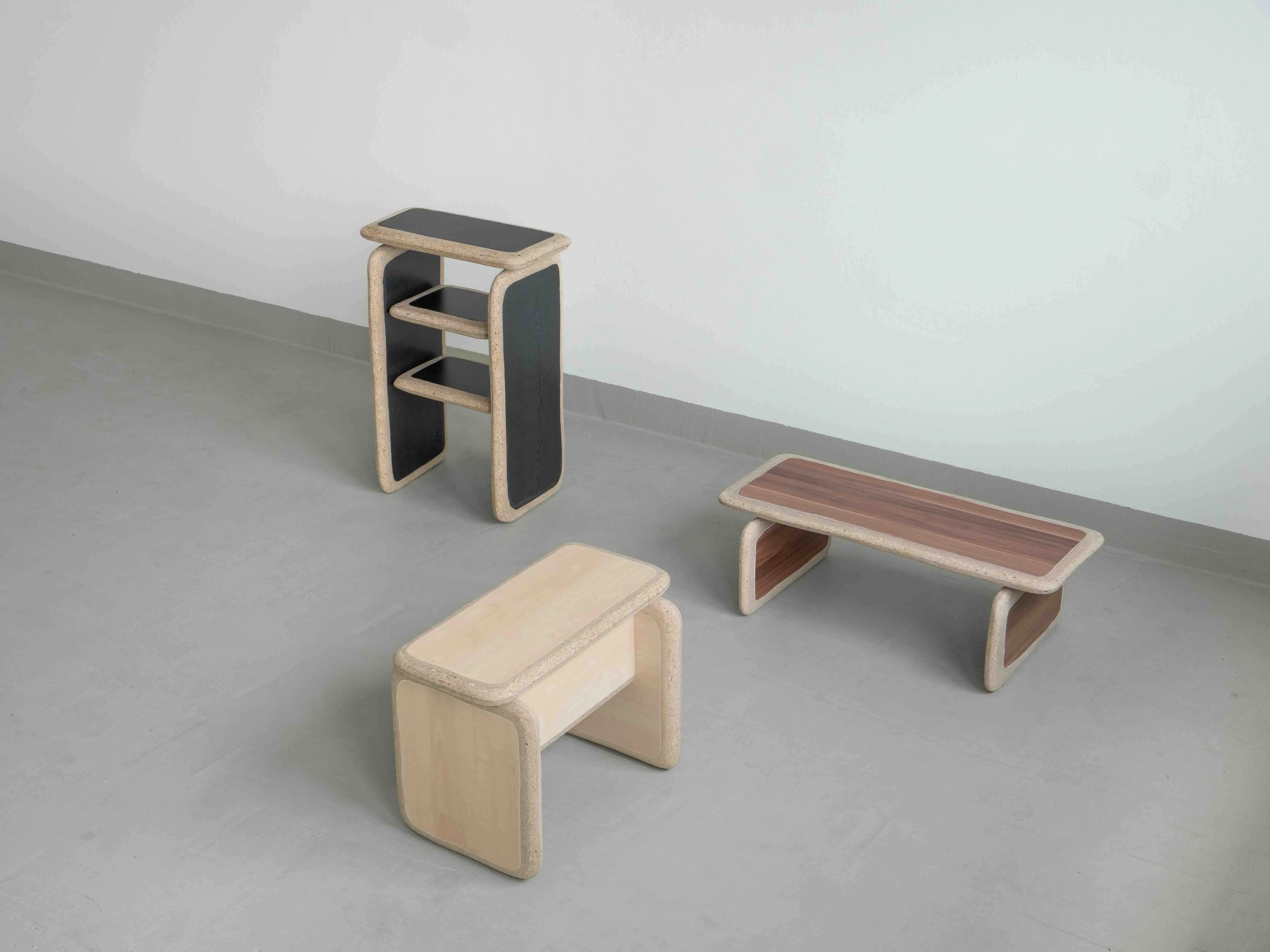
Furniture Series investigating the omnipresence and absurdity of printed woodgrain on particle boards.
Mining waste is more than leftover matter; it is a record of human intervention that reshapes landscapes and ecologies. For designers, it offers not only a material to work with but a conceptual space where questions of value, responsibility, and aesthetics come into focus. It asks us to think critically about what we make, how we make it, and what is left behind.
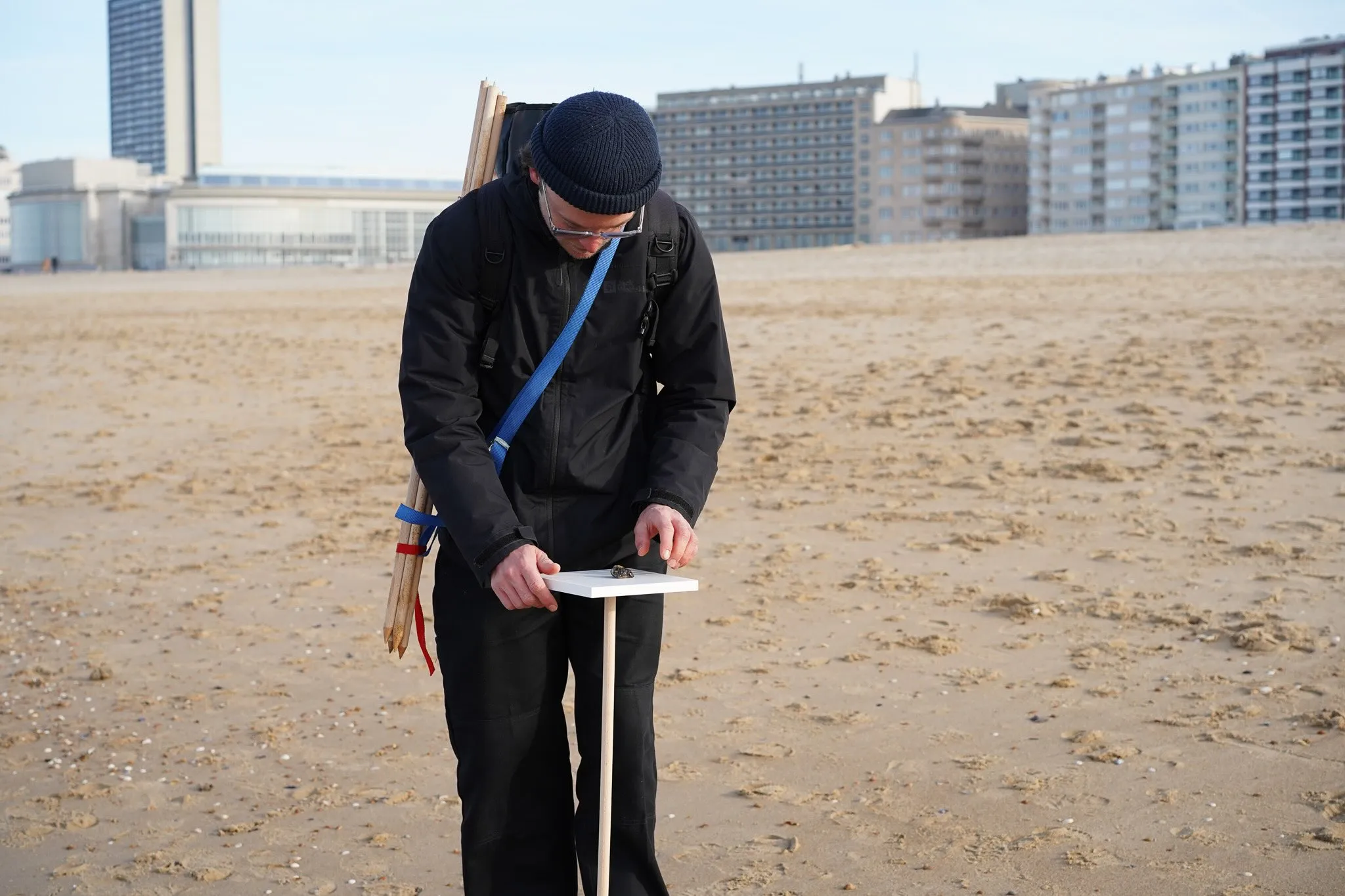
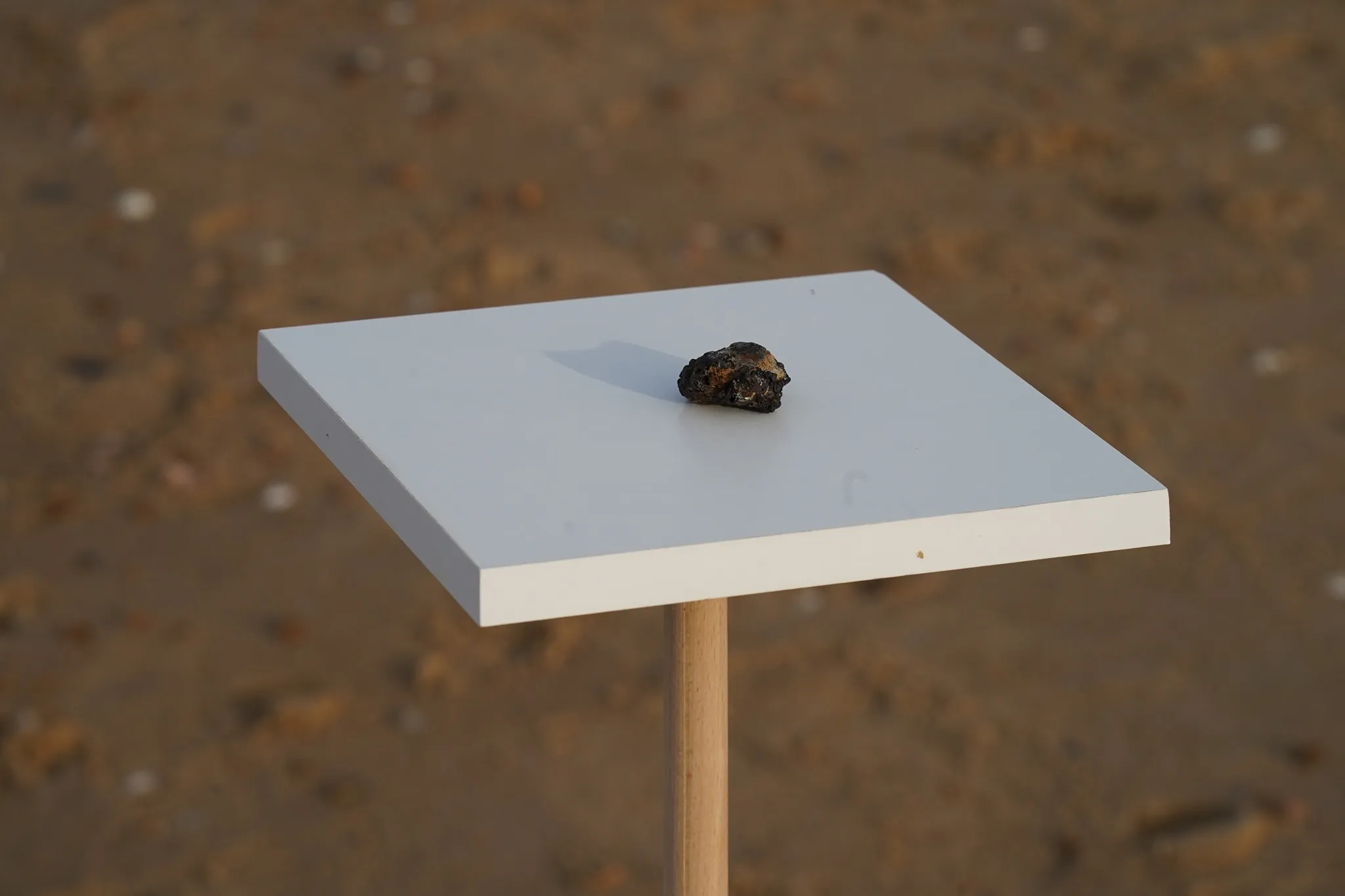
Investigation of industrial slag at beaches of the north sea
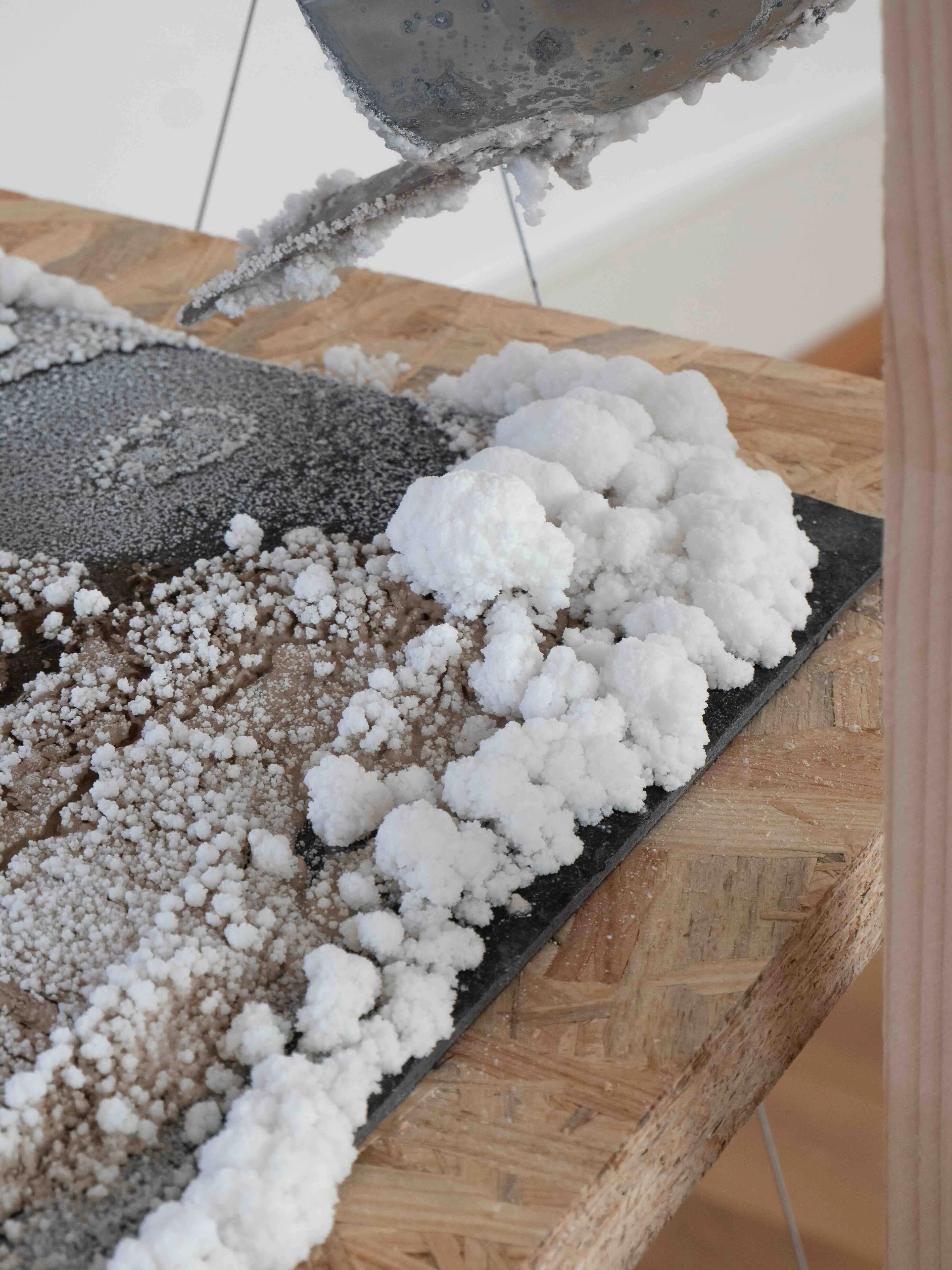
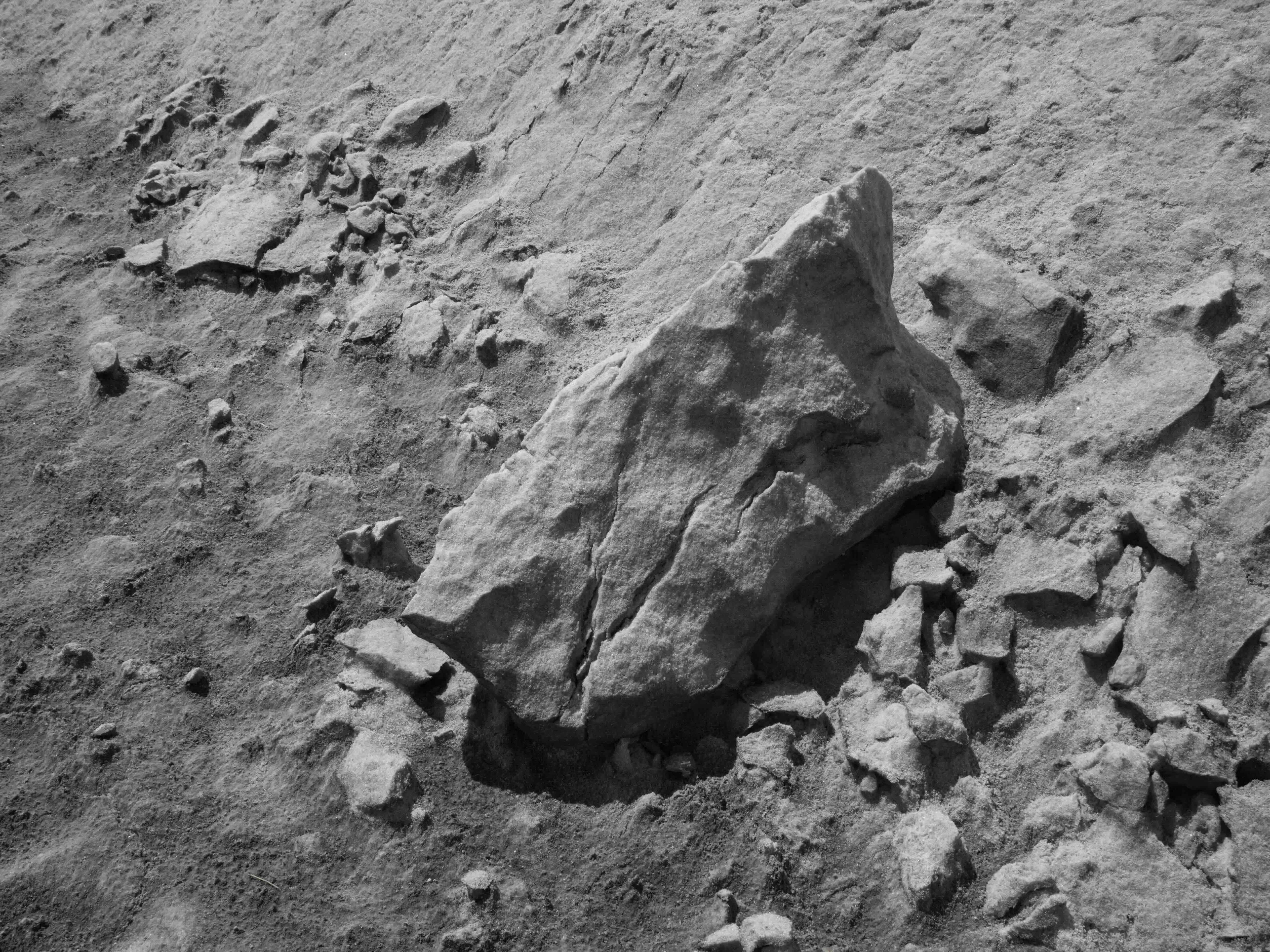
Investigation and experimentation into the mining waste rock salt (Steinsalz)
Mining waste is more than leftover matter; it is a record of human intervention that reshapes landscapes and ecologies. For designers, it offers not only a material to work with but a conceptual space where questions of value, responsibility, and aesthetics come into focus. It asks us to think critically about what we make, how we make it, and what is left behind.